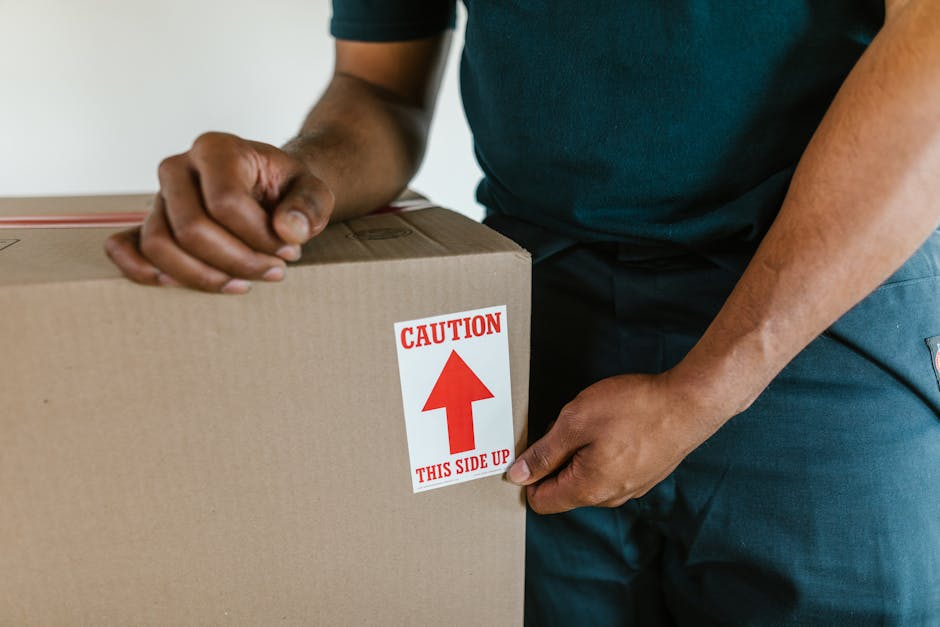
Moving bulky furniture safely with professional removals teams
Bulky furniture has a way of looking harmless right up until you try to move it through a narrow hallway, down a turning staircase, or into a van that suddenly feels smaller than it did five minutes ago. That is where Moving bulky furniture safely with professional removals teams really earns its place. The right team does more than lift heavy items; they plan, protect, steady, and solve the awkward bits before they become a problem.
If you are moving a sofa, wardrobe, dining table, piano, American fridge, or anything with an odd shape and an annoying amount of weight, this guide will walk you through how the process works, why it matters, and what a good removals team actually does behind the scenes. Let's face it, furniture rarely moves itself neatly. This is about keeping people safe, protecting your home, and making a stressful job feel manageable.
Table of Contents
- Why moving bulky furniture safely matters
- How the professional removals process works
- Key benefits and practical advantages
- Who this is for and when it makes sense
- Step-by-step guidance
- Expert tips for better results
- Common mistakes to avoid
- Tools, resources and recommendations
- Law, compliance, standards and best practice
- Options, methods and comparison table
- Case study or real-world example
- Practical checklist
- Conclusion
- Frequently asked questions
Why Moving bulky furniture safely with professional removals teams Matters
Heavy furniture is not just a lifting problem. It is a space problem, a balance problem, a protection problem, and sometimes a timing problem too. A long wardrobe can catch on a bannister. A solid oak chest of drawers can chip a freshly painted wall. A sofa can twist unexpectedly and strain someone's back in a second. That is why safe handling matters more than brute force.
Professional removals teams bring structure to what would otherwise be guesswork. They look at routes, weight distribution, grip points, flooring, doorway widths, and whether an item needs dismantling before it moves. You might think, "Surely two strong people can just carry it?" Sometimes yes. But when a piece is oversized, awkward, expensive, or fragile in certain spots, strength alone is not the answer. Technique matters. Planning matters. Calm heads matter too.
In practical terms, safe movement reduces three big risks:
- Personal injury such as back strain, finger traps, slips, and dropped loads.
- Property damage including scratched floors, dented walls, broken fixtures, and torn upholstery.
- Delays and stress when one difficult item disrupts the rest of the move.
There is also the simple reality of time. A trained team will usually spot the quickest safe route far faster than someone doing it for the first time. That can make the whole day feel less chaotic. And on moving day, a bit less chaos is worth a lot.
Expert summary: bulky furniture moves go best when the team has planned the route, protected the property, and matched the lifting method to the item - not the other way around.
How Moving bulky furniture safely with professional removals teams Works
The process usually starts before anyone touches a chair, sofa, bed base, or cabinet. Good removals teams will ask what needs moving, where it is located, and whether there are access issues such as stairs, tight corners, shared entrances, parking limits, or lift restrictions. In London especially, a move can hinge on something as ordinary as where the van can legally stop. Tiny detail, massive difference.
Once the job is assessed, the team chooses the safest handling method. That may include padding, straps, trolleys, sliders, blankets, or partial dismantling. For awkward pieces, removal of legs, doors, shelves, or detachable components often makes the item far easier to move and much less likely to snag. Sometimes an item that looks impossible becomes very manageable once broken down into sensible parts.
Then comes route planning. A team will often walk the path from the room to the vehicle, checking where a turn is too tight, where the floor needs extra protection, and whether anything should be moved out of the way first. You will notice experienced movers doing this almost automatically. It saves time later, which is nice, because the last thing anyone wants is a stop-start shuffle with a heavy wardrobe wobbling mid-corridor.
On the loading side, bulky furniture is usually secured so it cannot slide or tip during transit. That matters as much as the lifting itself. A sofa that shifts in the van can be damaged just as easily as one that gets scraped at the doorway. Proper strapping, sensible stacking, and careful placement all help keep the item stable until it reaches its new home.
If assembly or reassembly is needed, the team may return the piece to its original form after unloading. That is often the point where people breathe again. The item is in place, the walls are still intact, and everyone can have a cup of tea. A very British ending, really.
Key Benefits and Practical Advantages
There is a reason people choose professional removals teams for bulky items instead of trying to improvise. The benefits are practical, immediate, and usually noticeable within the first few minutes.
1. Safer handling
Moving large furniture safely is about controlling weight and movement. A trained team understands how to tilt, pivot, lift, lower, and pause without putting people at unnecessary risk. That matters for both movers and homeowners.
2. Less damage to your home
Stair rails, corners, door frames, and flooring are common trouble spots. Professional movers tend to pad, shield, and guide items carefully through these areas. In a cramped terrace house or flat, that attention can save a lot of grief.
3. Faster progress
What takes an unprepared person ages can often be handled in a surprisingly efficient way by a capable removals team. They already know the usual pinch points, so they do not waste time learning them the hard way.
4. Better handling of awkward items
Some furniture needs more than lifting. Think of modular wardrobes, heavy cabinets with glass panels, king-size bed frames, or oversized corner sofas. A removals team can decide whether dismantling, wrapping, or special carrying techniques are needed.
5. Less physical strain for you
Truth be told, this is a big one. Even if you can move the item, that does not mean you should. Back injuries and awkward twists happen quickly, especially when people are tired, rushed, or trying to be helpful in a small space.
| Approach | Typical strengths | Typical drawbacks |
|---|---|---|
| DIY with friends | Lower upfront cost, flexible timing | Higher risk of damage, injury, and delays |
| Professional removals team | Safer, faster, better route planning | Usually costs more than DIY |
| Man and van for selected items | Good for smaller bulky loads, simpler jobs | May not suit stairs, fragile items, or complex access |
For many households, the value is not just in lifting. It is in peace of mind. That sounds soft, maybe, but on moving day it is very real.
Who This Is For and When It Makes Sense
This service makes sense for anyone dealing with items that are heavy, awkward, valuable, or difficult to navigate through a property. In our experience, the people who benefit most are often the ones who first said, "We should be fine if we just take it slowly." Sometimes that works. Often it doesn't, at least not elegantly.
You may want professional help if you are moving:
- large sofas or corner sofas
- wardrobes and tall bedroom furniture
- solid wood dining tables and sideboards
- bed frames, mattresses, and divan bases
- pianos or other weight-sensitive items
- American-style fridges, cabinets, or heavy appliances
- office desks, storage units, and conference tables
It also makes sense when the property itself adds difficulty. Narrow London stairwells, basement flats, period homes with small door openings, top-floor walk-ups, and shared entrances all change the game. One person may be fine carrying a chair from the lounge to the van. That same person may not be fine with a 120kg cabinet on a spiral staircase. Different story.
Commercial moves can be a factor too. Offices often have bulky furniture that must be moved without interrupting business operations or damaging equipment. If you are planning a broader business relocation, it may be useful to look at commercial moves and office removals alongside your furniture plan.
And if you are just getting rid of a single oversized item rather than moving a full household, a dedicated collection service can sometimes be more appropriate. For that sort of job, furniture pick-up may fit better than a full removals booking.
Step-by-Step Guidance
If you want a smooth move, do not wait until moving day to think about the bulky pieces. The best results come from a bit of preparation and a sensible sequence.
Step 1: List every bulky item
Write down what needs moving and note anything unusual: glass panels, mirrors, loose shelves, removable legs, or built-in parts. Small details matter. A wardrobe with sliding doors is not handled exactly like a flat-pack chest of drawers, and the differences can affect the loading plan.
Step 2: Measure doors, stairs, and corridors
Measure the item and the route. Check width, height, and turning space. This is especially useful for long items like sofas or tables. It is amazing how often the problem is not the furniture itself, but that one tight corner halfway down the stairs.
Step 3: Decide whether dismantling is needed
Some furniture can stay whole. Some absolutely should not. A removals team will usually tell you when a piece should be taken apart to reduce risk. Keep screws, fittings, and fixings in labelled bags. Put them somewhere memorable. Not "safe", because safe often becomes "lost."
Step 4: Clear the route
Move rugs, shoes, baskets, small tables, and anything else that could cause a stumble. Open doors fully if possible. Protect floors where needed. The route should feel boringly obvious by the time the team starts moving the item. That is the goal.
Step 5: Use the right lifting and protection equipment
Professional teams may use blankets, straps, trolleys, sliders, gloves, and corner protection. They may also wrap delicate surfaces to prevent scuffs and pressure marks. Even a strong sofa can suffer from one careless scrape against a rough wall, so wrapping is not overkill. It is common sense.
Step 6: Move with a coordinated lift-and-pause rhythm
Good teams do not rush heavy furniture. They lift together, communicate clearly, and pause at awkward points. That rhythm is what keeps the load steady. If one person starts freewheeling and the other is still trying to find their footing, trouble follows quickly. No drama needed.
Step 7: Load and secure the item properly
Once in the van, furniture should be placed so it cannot slide, twist, or tip. Heavier items are usually secured against the structure of the vehicle, with softer items used to fill gaps where appropriate. This is one of those invisible bits of the job that makes a huge difference.
Step 8: Check the item at destination
When the furniture arrives, inspect it before the team leaves if possible. Check corners, legs, upholstery, and surfaces. A quick look is enough in most cases, but it is better to notice a scuff straight away than after everyone has disappeared and the kettle is boiling.
Expert Tips for Better Results
There are a few habits that consistently make bulky furniture moves go more smoothly. None are flashy. All of them help.
- Give honest measurements. If an item is wider than you think, say so. Guessing can lead to a route plan that falls apart at the door.
- Be clear about access issues. Stairs, lifts, parking, loading restrictions, and shared hallways should not be a surprise on the day.
- Empty the furniture first. Drawers, shelves, and hidden compartments add weight and movement. Remove everything you can.
- Protect fragile surfaces early. Polished wood, leather, glass, and painted finishes can mark more easily than people expect.
- Book enough time. Tight scheduling leads to rushed lifting. Rushed lifting is where mistakes breed.
- Keep children and pets out of the route. A clear path is safer, calmer, and easier to manage.
One small but useful tip: take quick photos of your item before the move. Not because you expect trouble, but because furniture can have pre-existing marks, and photos help everyone stay on the same page. Simple, useful, done.
Also, if a team suggests dismantling an item, do not take that as a sign they are being awkward or cautious for no reason. Quite often, they are saving you from a far more awkward problem halfway down the stairs. You will thank them later, usually while the item is already in the van.
Common Mistakes to Avoid
Most moving mishaps are not caused by bad luck. They usually come from a few predictable mistakes. The good news is that they are easy enough to avoid once you know them.
Trying to move too much at once
Bulky furniture needs room. Trying to force a sofa through a doorway with a lamp still standing nearby is how people end up bumping, scraping, and swearing under their breath.
Underestimating the weight
Some items look lighter than they are, especially if they are sleek or minimal in design. A small sideboard can be heavier than a larger but hollow piece. Looks can be deceiving, annoyingly so.
Ignoring awkward shapes
Weight is only part of the story. Shape matters just as much. Handles, feet, overhangs, and non-standard dimensions can be the real reason something gets stuck.
Skipping protection
Moving blankets, straps, and padding are not optional extras for many jobs. They are part of a sensible moving method. Without them, the chances of damage rise quickly.
Not checking access restrictions
Parking stress, lift bookings, communal access rules, and narrow roads can all affect timing. If you are moving in a busy area, especially in parts of London, this is worth sorting out early.
Failing to communicate clearly
If the removals team does not know about a particularly heavy cabinet in the back room, the job can go sideways. A short phone call or written note beforehand saves a lot of faff.
And one more thing: do not assume "it's only across the house" means it is simple. The shortest route is often the trickiest one. That little hallway has a way of becoming the star of the show.
Tools, Resources and Recommendations
Professional teams may bring their own equipment, but it helps to understand what is commonly used and why. You do not need to own every tool yourself, of course. Still, knowing the basics makes the process less mysterious.
- Furniture blankets: used to prevent scratches, scuffs, and impact damage.
- Ratchet straps or securing straps: help stabilise items in the van.
- Moving dollies and trolleys: useful for heavy, stable loads with suitable base clearance.
- Furniture sliders: reduce friction on hard floors and carpets for short repositioning.
- Protective wrap or film: keeps surfaces clean and cushioned during transport.
- Tools for dismantling: screwdrivers, Allen keys, spanners, and labelled bags for fittings.
If you are preparing for a wider home move, it can also help to review broader planning advice. For example, our removals and home moves pages are useful if you are thinking beyond a single item and need a more complete moving plan.
If packing is part of the job, especially for delicate or mixed household contents, you may also find packing and unpacking services worth considering. It sounds like an extra, but if you are already juggling furniture, boxes, keys, and timing, it can take a lot of pressure off the day.
For customers comparing providers, it can be worth looking at the wider service mix too. Some people want a full household move; others simply need a flexible vehicle and crew. If that sounds like you, man and van or man and van removals may be enough for smaller bulky jobs. For larger or more complex moves, a fuller removals team is usually the better fit.
Law, Compliance, Standards and Best Practice
This is not a heavily regulated subject in the way some industries are, but there are still important standards and duties to keep in mind. In the UK, moving teams are expected to work safely, manage risks sensibly, and protect people and property. That includes using suitable equipment, planning safe manual handling, and not asking staff or customers to take avoidable risks.
Manual handling is a real issue here. Bulky furniture can be heavy, awkward, and difficult to grip, which is exactly the kind of load that can cause strains or slips. Good practice means assessing the weight and shape of each item, deciding whether it should be moved by hand or with equipment, and making sure the route is safe before lifting begins. Common sense, yes. But common sense backed by process is what matters.
Insurance is another practical point. Reputable removals businesses usually have policies that cover their work, but the scope can vary. It is sensible to ask what is covered, particularly for fragile or high-value items. If you are moving something unusual, such as a piano or antique cabinet, make sure that is discussed clearly in advance.
Health and safety procedures should also be part of the picture. Many companies publish their own safety and complaint policies, which tells you something useful about how they work. If you want to understand the company approach in more detail, pages such as health and safety policy, insurance and safety, and complaints procedure can help set expectations before booking.
There is also a wider best-practice angle around sustainability and disposal. If you are replacing furniture rather than reusing it, a responsible mover may be able to help with collection and routing decisions that reduce waste. The details vary by job, but the general principle is straightforward: move what should be kept, and handle what should be removed thoughtfully.
Options, Methods and Comparison Table
There is more than one way to deal with bulky furniture. The right choice depends on the item, the access, your budget, and how much risk you are willing to accept. Below is a simple comparison that helps frame the decision.
| Method | Best for | Pros | Watch-outs |
|---|---|---|---|
| DIY move | Light bulky items, short distances, easy access | Flexible, lower cost, simple to arrange | Greater chance of injury or damage, needs enough helpers |
| Man and van | Single-item moves or smaller bulky loads | Practical, often cost-effective, quick to book | May not suit complex access or very heavy furniture |
| Full removals team | Multiple bulky pieces, stairs, fragile items, larger homes | More planning, better equipment, safer handling | Usually costs more than a basic transport-only option |
If you only need a single sofa moved across town, a lighter service may be enough. But if you have a house full of awkward pieces, the fuller team is usually the calmer choice. To be fair, "calmer" has real value on moving day.
People often compare price first. That makes sense. But for bulky furniture, the hidden cost of a cheaper option can be damage, stress, or having to book help again later. Not always, of course. Just often enough to think carefully.
Case Study or Real-World Example
A common scenario goes like this. A family is moving out of a Victorian terrace and needs a large sofa, a king-size bed frame, and a heavy wardrobe taken to a new home only a few miles away. On paper, it sounds simple. In reality, the staircase is narrow, the front room has a tight doorway, and the wardrobe does not clear the landing turn in one piece.
The removals team checks access first, then decides the wardrobe should be dismantled. The sofa is wrapped before moving, and the bed frame is broken down into manageable parts. The route from house to van is cleared, floor protection is laid, and the team moves each item in sequence rather than trying to do everything at once.
The result? No scraped bannister, no hurried scrambling, and no one trying to twist a wardrobe at the top of the stairs while pretending it is fine. The items arrive intact and are reassembled at the other end. The family says the best part was not the lifting itself; it was how little they had to worry once the plan was in place.
That is the real value of professional removals teams. Not magic. Just good judgement, steady hands, and a process that reduces the chances of things going sideways.
Practical Checklist
Use this quick checklist before moving bulky furniture. It keeps the day grounded and saves a lot of last-minute fuss.
- List every bulky item that needs moving
- Measure furniture, doorways, stairwells, and hallway turns
- Identify fragile parts, loose fittings, and removable components
- Decide what should be dismantled before moving day
- Clear the route from room to vehicle
- Protect floors, walls, and corners where needed
- Confirm parking, loading, and access arrangements
- Check whether special lifting equipment is needed
- Remove items from drawers, shelves, and compartments
- Label screws, bolts, and fittings in sealed bags
- Take photos of valuable or delicate furniture before the move
- Ask about insurance and handling procedures
- Inspect items on arrival before signing off the job
If you want the day to feel easier, do the boring bits early. The boring bits are the ones that save you later. Funny how that works.
Conclusion
Moving bulky furniture safely with professional removals teams is really about reducing risk while keeping the whole process manageable. The right team brings planning, the right tools, and the kind of experience that turns an awkward heavy-lift job into a controlled, steady move. That matters whether you are moving one difficult item or an entire home full of oversized furniture.
If you remember only one thing, make it this: bulky furniture is easiest to move when the route is planned, the item is prepared, and the team is clear on the job before they start. Simple enough. Not always easy, but simple. And that is why experienced movers are worth considering when the furniture is large, precious, or just plain awkward.
If you are comparing services, thinking through access, or trying to decide whether to move an item yourself, take the time to review the support available and choose the option that keeps everyone safe and calm. A well-handled move has a quiet kind of relief to it. Everything lands where it should, the walls are still clean, and you can finally exhale.
Get a free quote today and see how much you can save.
Frequently Asked Questions
How do professional removals teams move bulky furniture safely?
They assess the item, plan the route, use protective equipment, and coordinate lifting so the furniture stays stable. If needed, they dismantle parts of the item to make it easier and safer to move.
Is it better to dismantle furniture before a move?
Often, yes. Dismantling can reduce weight, make turns easier, and lower the risk of damage. A good team will tell you when dismantling is useful and when it is better to keep the item intact.
Can a man and van service handle bulky furniture?
Sometimes. For smaller bulky items or simpler access, it can be a sensible option. For larger loads, narrow staircases, or fragile furniture, a full removals team is usually the safer choice.
What bulky furniture items are most difficult to move?
Wardrobes, corner sofas, large dining tables, pianos, and solid wood cabinets are common troublemakers. They are heavy, awkward, and often awkwardly shaped as well. A nasty combination, really.
How much preparation should I do before movers arrive?
Clear the route, empty drawers and shelves, label fittings, and let the team know about any access issues. The more accurate your information, the smoother the move tends to be.
Do professional movers protect floors and walls?
Reputable teams usually take steps to protect surfaces, especially on tight routes with corners, stairs, or fragile finishes. It is sensible to ask what protection they use before booking.
What if my bulky furniture will not fit through the doorway?
That is where measuring and route planning matter. Sometimes the item can be tilted or dismantled. In other cases, a different path or a different handling method is needed.
Is professional help worth it for just one heavy item?
Yes, if the item is awkward, valuable, or difficult to move safely. One difficult piece can cause more trouble than several lighter boxes, so it is worth judging by risk, not just quantity.
How can I reduce the risk of damage during the move?
Use padding, remove loose parts, clear the route, and make sure the team knows about fragile finishes or awkward dimensions. Careful loading in the vehicle matters too.
Should I move bulky furniture myself to save money?
Only if the item is manageable and access is straightforward. DIY can save money upfront, but it can also create costs if something gets damaged or someone gets hurt. Not every saving is a real saving.
What should I ask before booking a removals team?
Ask about access planning, insurance, dismantling, loading method, timing, and whether they have experience with similar furniture. A few direct questions upfront can prevent surprises later.
Are there special rules for moving furniture in London?
There may be local access, parking, or loading restrictions depending on the area and property type. Because of that, it is wise to mention the exact location and any restrictions when arranging the move.
What if my furniture is antique or high value?
Say so clearly before the move. Antique and high-value pieces may need extra wrapping, a slower handling method, or additional insurance discussion. It is better to over-communicate than assume.
Can movers help with furniture collection as well as relocation?
Yes, in many cases. If you only need a bulky item collected and taken away, a dedicated collection service may be more suitable than a full household move.
How far in advance should I book?
As early as you can, especially if you have heavy furniture, difficult access, or a busy moving date. Early booking gives you more choice and more time to prepare properly.