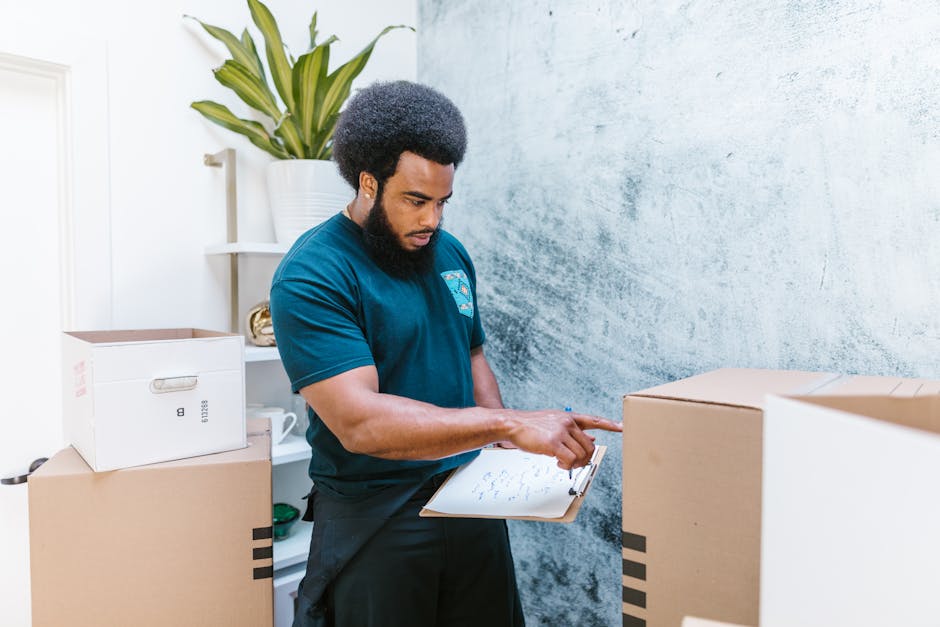
UK removals checklist: what to know for first-time movers
Moving house for the first time can feel oddly personal. One minute you're sorting out a kettle and a box of cables, the next you're wondering whether you've remembered the gas meter, the sofa legs, and where you put the tenancy agreement. This guide to a UK removals checklist for first-time movers is designed to take the edge off that chaos. It covers what to do, when to do it, what people usually forget, and how to make the move feel organised rather than frantic.
If you're moving within the UK, the basic idea is simple: the earlier you plan, the smoother moving day tends to be. The tricky part is knowing what "plan ahead" actually means in real life. That is where a proper checklist helps. It turns a big, stressful day into a set of manageable jobs you can tick off one by one.
Table of Contents
- Why this checklist matters
- How the moving process works
- Key benefits and practical advantages
- Who this is for and when it makes sense
- Step-by-step guidance
- Expert tips for better results
- Common mistakes to avoid
- Tools, resources and recommendations
- Law, compliance, standards and best practice
- Options, methods and comparison table
- Case study or real-world example
- Practical checklist
- Conclusion
- Frequently asked questions
Why UK removals checklist what to know for first time movers matters
First-time movers usually underestimate two things: how many small jobs sit behind a house move, and how quickly those jobs pile up at the end. A checklist matters because moving is not just transport. It is timing, packing, access, paperwork, address changes, keys, insurance, and the simple problem of making sure your belongings arrive in one piece.
In the UK, many moves happen around tight handover windows. You may have one set of keys in your hand and another appointment somewhere else the same afternoon. That means delays can snowball fast. A missing parking arrangement, a forgotten council tax update, or a box labelled "misc" can suddenly become a very real headache.
A removals checklist gives you structure. It helps you identify what needs to happen before moving day, what needs attention on the day itself, and what can wait until after you've put the mugs in the right cupboard. To be fair, that last bit matters more than people admit. The first evening in a new place can feel long if the essentials are still buried in unmarked boxes.
If you are comparing move options, it can also help to look at the wider service picture. Some people only need a simple man and van job for a small flat, while others need a more complete house removal service. Knowing the difference early saves time and usually saves money too.
How UK removals checklist what to know for first time movers works
At its core, a removals checklist works by breaking the move into stages. That is all. It sounds obvious, but it stops you trying to do everything in one go. First you plan, then you pack, then you confirm arrangements, then you move, then you settle in. Simple on paper. Less simple in a house full of half-open boxes, but still manageable.
Most first-time movers will benefit from planning in three layers:
- Before moving day: booking the right removal help, sorting utilities, decluttering, packing non-essentials, and preparing access.
- On moving day: final checks, key handover, protecting fragile items, guiding the movers, and keeping essentials close.
- After the move: unpacking strategically, checking for damage, updating addresses, and confirming everything arrived.
The checklist does not need to be fancy. In fact, a plain notebook can work better than a complicated app if you are already juggling work, family, and every other bit of life. The point is to avoid memory-based moving. Memory, during a house move, is a bit of a liar.
It also helps to decide whether you need support with packing. Many people find it easier to use packing and unpacking services for fragile items, time-sensitive moves, or larger homes. Others prefer to do most of it themselves and bring in a team only for lifting and transport. Both approaches can work. The right one depends on your time, budget, and tolerance for cardboard dust.
Key benefits and practical advantages
A good checklist gives you more than peace of mind. It changes how the move runs. That is the real benefit. Here are the main advantages first-time movers usually notice.
- Less last-minute stress: you are not trying to remember ten things at once while holding tape with your teeth.
- Better budgeting: you can decide whether you need a full removals team, a van, or just extra help with furniture.
- Fewer damaged items: proper packing and labelling reduce breakages and missing parts.
- Smoother moving day: access, timing, and loading become easier when everyone knows the plan.
- Quicker settling in: essentials are easier to find, so the first night feels less chaotic.
Another practical advantage is that a checklist helps you compare quotes more fairly. A low price from one removal company might look attractive, but if it doesn't include packing materials, access waiting time, or the right vehicle size, it may cost more by the end. A checklist keeps the conversation grounded in what you actually need.
For some moves, especially a smaller flat or a shorter local move, a flexible moving van or removal van is enough. For larger properties or bulkier furniture, you may need a bigger vehicle or a more complete service. The checklist helps you make that call before the removal team arrives and everyone starts measuring the staircase with worried faces.
Who this is for and when it makes sense
This guide is mainly for first-time movers, but honestly, it is useful for anyone who has not moved in a while. House moves have a way of feeling unfamiliar each time, especially if your last move was years ago or involved only a few boxes and a borrowed car.
It is especially relevant if you are:
- moving out of your first rented flat;
- buying your first home;
- moving from shared housing into a place of your own;
- relocating within London or another busy UK city;
- moving with children, pets, or a lot of fragile items;
- trying to decide between full removals and a smaller-scale option such as man with van support;
- managing a move on a tight deadline.
It also makes sense if you are comparing household moves with other kinds of relocation. A home move and an office move are very different jobs. If you are shifting a workspace rather than a living room, you would normally look at office removals or broader commercial moves instead.
Truth be told, most moving stress comes from uncertainty. Once you know what sort of move you have, the rest becomes easier to organise.
Step-by-step guidance
If you want the simplest possible route, follow this sequence. It is not glamorous, but it works.
1. Confirm your moving date as early as possible
Start with the date. Everything else hangs off that. Once you know when you are moving, you can book services, arrange time off work, and line up key collection. If your date is not fully fixed yet, work with a rough window and keep your checklist flexible.
2. Decide what you are taking and what can go
Go room by room. Be honest. If something has sat untouched for years, ask whether it deserves a place in the new home. This is where decluttering pays off. Less stuff means less packing, less lifting, and often a smaller vehicle requirement.
If you have large items you no longer want, you may be able to arrange a furniture pick-up or simply separate them well before the move. Do not leave bulky unwanted pieces until moving day unless you enjoy last-minute panic. Most people do not.
3. Book the right removals support
Think about the size of your move, the distance, access at both ends, and how much lifting you want to do yourself. A full team may suit a family home. A smaller flat might only need a van and one or two movers. If you are comparing options, a quick look at removal services can help you understand what different types of support may include.
4. Gather packing materials and start with non-essentials
Boxes, tape, markers, labels, bubble wrap, and strong bags for soft items are the basics. Pack books, spare bedding, seasonal clothes, and decorative items first. Leave daily essentials until the end. Simple rule. Very useful.
5. Label every box clearly
Write both the room and a short description on each box. For example: "Kitchen - mugs and small plates" or "Bedroom - winter clothes". That extra minute of labelling can save a whole evening later when you are trying to find the toaster.
6. Sort out access and parking
This step gets missed all the time. Check whether the vehicle can stop near the property. In some places, especially in London, parking space is limited and access can be awkward. A removal team needs a realistic loading plan, not a hopeful one. If there are stairs, narrow halls, or a long carry from the road, mention it in advance.
7. Prepare a moving-day essentials bag
Keep a bag or box with the things you will want immediately: phone chargers, toiletries, snacks, water, important documents, keys, medication, and a change of clothes. That box should travel with you, not vanish under the washing machine box. It happens more than you think.
8. Check insurance and payment details
Before moving day, make sure you understand the service terms, what is covered, and how payment works. If you are booking a firm, it is sensible to review pages like insurance and safety and payment and security so you know what to expect.
9. Do a final walk-through
Before leaving the old property, check cupboards, loft spaces, sheds, and behind doors. People forget kettle leads, window keys, even phones on window sills. I once heard of someone leaving the hall mirror behind because it blended into the wallpaper. Very classic. Very annoying.
10. Unpack in the right order
Start with the basics: beds, bedding, bathroom items, kettle, tea, toiletries, and important paperwork. The rest can follow. You do not need to finish everything on day one. Nobody does. Just aim for livable first, perfect later.
Expert tips for better results
Here is the sort of advice people usually only learn after one or two moves. It can save you time, and a fair bit of shouting.
- Photograph cable setups before you unplug anything. It saves faffing when you reconnect the TV or router.
- Pack an overnight box for each person if you can. One small box with essentials is easier than rummaging through six huge ones.
- Use consistent box sizes where possible. They stack better and are easier to carry.
- Keep heavier items in smaller boxes. Books in a giant box look harmless until someone has to lift them.
- Tell movers about awkward items early, especially wardrobes, garden furniture, or anything that may need dismantling.
- Be realistic about time. Packing always takes longer than you imagine. Always.
Another smart move is choosing the right transport option. Some people overbook a big vehicle and spend more than necessary. Others underbook and end up needing an extra trip. If you are unsure, it can help to compare moving truck options with smaller van-based solutions before you decide.
And if you want a more hands-off experience, ask whether unloading and unpacking help is available. A bit of support on the other end can make the first night feel much calmer. Sometimes that is worth more than shaving a few pounds off the quote.
Common mistakes to avoid
First-time movers tend to repeat the same handful of mistakes. Nothing dramatic, just the sort of things that cause avoidable stress.
- Booking too late: removal slots can tighten up, especially at weekends and month-end.
- Not measuring furniture: the sofa may be lovely, but will it fit through the doorway?
- Poor labelling: "stuff" is not a box label.
- Forgetting utilities: internet, water, gas, electricity, and council tax changes all need attention.
- Ignoring access issues: stairs, lifts, and parking restrictions matter more than people think.
- Leaving packing to the last day: that is how people end up putting kitchen knives in a cereal box, then forgetting where they are.
- Not reading the service terms: check what is included before you agree to anything.
Another common mistake is treating every move the same. A small studio flat and a three-bedroom house do not need the same plan. If you are in a tighter city street or a block of flats, a flexible service such as man and van removals may be more practical than a larger setup. The key is matching the service to the job, not the other way around.
Tools, resources and recommendations
You do not need a huge toolkit to move well. You need a few sensible things and a good system.
- Marker pens and labels: for box contents and room names.
- Strong tape: cheap tape has a habit of failing at the worst moment.
- Sturdy boxes: especially for books, dishes, and anything fragile.
- Zip bags: ideal for screws, wall fixings, and remote controls.
- Blanket or protective wrap: useful for furniture corners and mirrors.
- Notebook or checklist app: whichever you will actually use.
From a planning perspective, it can also help to review a company's service pages before you decide who to book. For example, if you need a general overview of options, removal companies can give you a sense of how service levels may differ. If you want a more straightforward home-move setup, home moves is the more relevant direction.
There is also value in checking information about sustainability and disposal if you are clearing out a lot of unwanted items. A thoughtful move usually means less waste, fewer unnecessary trips, and a better start in the new property. The page on recycling and sustainability is useful if you want to think through what to keep, reuse, or pass on responsibly.
Law, compliance, standards, or best practice
Moving home in the UK is not usually a highly regulated event for the customer in the way some other services are, but there are still important best practices to respect. A good removals provider should be clear about terms, handling, and safety. You should also expect proper care with loading, lifting, and transport.
Best practice here includes:
- clear pricing and written scope where possible;
- honest descriptions of what is and is not included;
- reasonable care for property and belongings;
- safe lifting and loading methods;
- communication about delays, access, and special items;
- transparent complaint handling if something goes wrong.
If you are comparing providers, it is sensible to look at their trust pages as well as their moving service pages. That includes items like about us, complaints procedure, health and safety policy, and terms and conditions. These pages tell you a lot about how a company thinks, which is often more revealing than a polished sales line.
For first-time movers, the practical lesson is simple: ask questions early. What's included? How is fragile furniture handled? What happens if access is difficult? Can the team help with dismantling? Better to ask before moving day than after, standing in the hallway with a headboard that suddenly seems too big.
Options, methods, or comparison table
Choosing the right moving method depends on how much you have, how far you are going, and how much help you want. Here is a straightforward comparison.
| Option | Best for | Strengths | Things to watch |
|---|---|---|---|
| Man and van | Small flats, lighter loads, local moves | Flexible, often cost-effective, quick to book | May not suit larger homes or lots of furniture |
| Full house removals | Family homes, larger volumes, more fragile items | More support, better for bigger jobs, less physical strain | Needs more planning and can cost more |
| Packing and unpacking add-on | Busy households, time-poor movers, fragile contents | Saves time, reduces stress, helps with breakables | Extra cost, and you still need to decide what to keep where |
| Self-move with hired vehicle | Very small moves or people with lots of help | Budget control, flexible timing | More physical work, more risk of damage, more pressure on the day |
If you are based in the city and need something more local, exploring removals near me can help you narrow down practical options without overcomplicating the search. For some first-time movers, that is the easiest starting point.
Case study or real-world example
Consider a typical first move: a one-bedroom rented flat in London, moving to a slightly larger place across town. Nothing outrageous. A couple of wardrobes, a bed, a desk, kitchen items, a TV, and far too many books.
The mover starts by packing three weeks ahead, beginning with non-essentials. They label every box by room and priority. They book a smaller vehicle rather than a huge truck because the property is on a narrow street and access is limited. They also arrange the keys, notify the landlord, and keep a "first night" box with bedding, toiletries, chargers, tea bags, and a spare towel. Very British, very sensible.
On moving day, the team arrives, the heavy lifting is sorted quickly, and the move finishes without a second trip. Not because everything was perfect. There is always something slightly off in a move. But because the mover had planned around reality rather than wishful thinking.
That is the real lesson. A good checklist does not remove the work. It removes the chaos.
Practical checklist
Use this as a working list in the run-up to moving day. You can print it, copy it into your notes, or just tick it off mentally while standing in the kitchen with a cup of tea.
- Confirm the moving date and time window.
- Decide whether you need a full team, a van, or packing help.
- Get quotes and compare what is included.
- Check access, parking, stairs, lifts, and loading distance.
- Measure large furniture and doorways where possible.
- Declutter and separate unwanted items early.
- Gather boxes, tape, labels, and protective materials.
- Pack non-essentials first.
- Label every box with room and contents.
- Keep screws, cables, and small fittings in sealed bags.
- Prepare an essentials bag for the first 24 hours.
- Arrange utilities, council updates, and address changes.
- Review insurance, service terms, and payment details.
- Do a final walk-through of the old property.
- Check for keys, meter readings, and any damage.
- Unpack the bedroom, bathroom, and kitchen essentials first.
Expert summary: the best first-time move is not the one with zero surprises. It is the one where the surprises stay small, predictable, and manageable.
Conclusion
A UK removals checklist gives first-time movers something genuinely useful: control. Not total control, because moving never behaves that neatly, but enough structure to keep the day steady and the decisions clear. Once you know what needs to happen before, during, and after the move, the whole process feels less like a scramble and more like a sequence.
Remember the simple priorities: choose the right moving support, pack early, label clearly, check access, and keep essentials with you. If you do those things well, the move becomes much easier to live through. Not effortless. Just easier. And that counts for a lot.
If you are still comparing options, it can help to look at the available service pages and work out what fits your home, your schedule, and your budget. A little planning now saves a lot of heavy lifting later.
Get a free quote today and see how much you can save.
And when the last box is in place, take a breath. Put the kettle on. You've done the hard part.
Frequently Asked Questions
What should be on a first-time movers checklist in the UK?
Your checklist should cover booking removals help, packing materials, decluttering, address changes, parking or access arrangements, utility transfers, an essentials bag, and a final property check.
How far in advance should I start packing for a house move?
For most first-time moves, starting two to four weeks ahead is sensible. If you have a lot of belongings or a busy schedule, start earlier with non-essential items.
Is a man and van service enough for a first move?
It can be, especially for a small flat, studio, or light local move. If you have larger furniture or a full household, a more complete removals setup may be better.
What items should I keep with me on moving day?
Keep your keys, phone charger, important documents, medication, toiletries, a change of clothes, snacks, water, and anything you need for the first night.
How do I know whether I need a removal van or a bigger truck?
It depends on how much you are moving and how bulky the furniture is. If in doubt, estimate the volume honestly and ask the provider what vehicle size fits best.
What are the most commonly forgotten things when moving house?
People often forget cable boxes, window keys, spare chargers, screw bags, meter readings, cupboard contents, and items stored in lofts, sheds, or under beds.
Do I need insurance when moving house?
It is sensible to understand what protection is included in the service and whether additional cover applies. Always check the moving company's insurance and safety information before booking.
How can I make moving day less stressful?
Pack early, label clearly, confirm access details, keep essentials separate, and avoid leaving admin tasks until the last minute. That alone removes a lot of pressure.
Should I use packing and unpacking services?
If time is tight, your items are fragile, or you just want a calmer move, packing and unpacking help can be well worth it. It is especially useful for larger or more detailed household moves.
What if my new home has difficult access?
Tell the removals provider in advance. Narrow streets, long carries, stairs, lifts, and parking restrictions can all affect planning, timing, and vehicle choice.
How do I compare removal companies fairly?
Compare what is included, not just the headline price. Look at service scope, vehicle type, support with lifting, insurance, terms, and how clearly the company explains its process.
Is it worth booking a local removals service near me?
Often yes, because local knowledge can help with timing, parking, and access. For city moves in particular, a provider that understands the area can make the day smoother.
What should I do after the move is complete?
Check that all boxes and furniture arrived, unpack the essentials first, note any damage, update your addresses if needed, and take a moment to settle in before tackling the rest.